Publisher: Benefits of Keeping Wisdom Teeth. General educational information; this article has not been reviewed by a licensed dental professional.
A wisdom tooth that is difficult to reach deserves individual advice. Buying a specialized brush or water flosser does not guarantee that the tooth will remain disease-free or that removal is unnecessary.
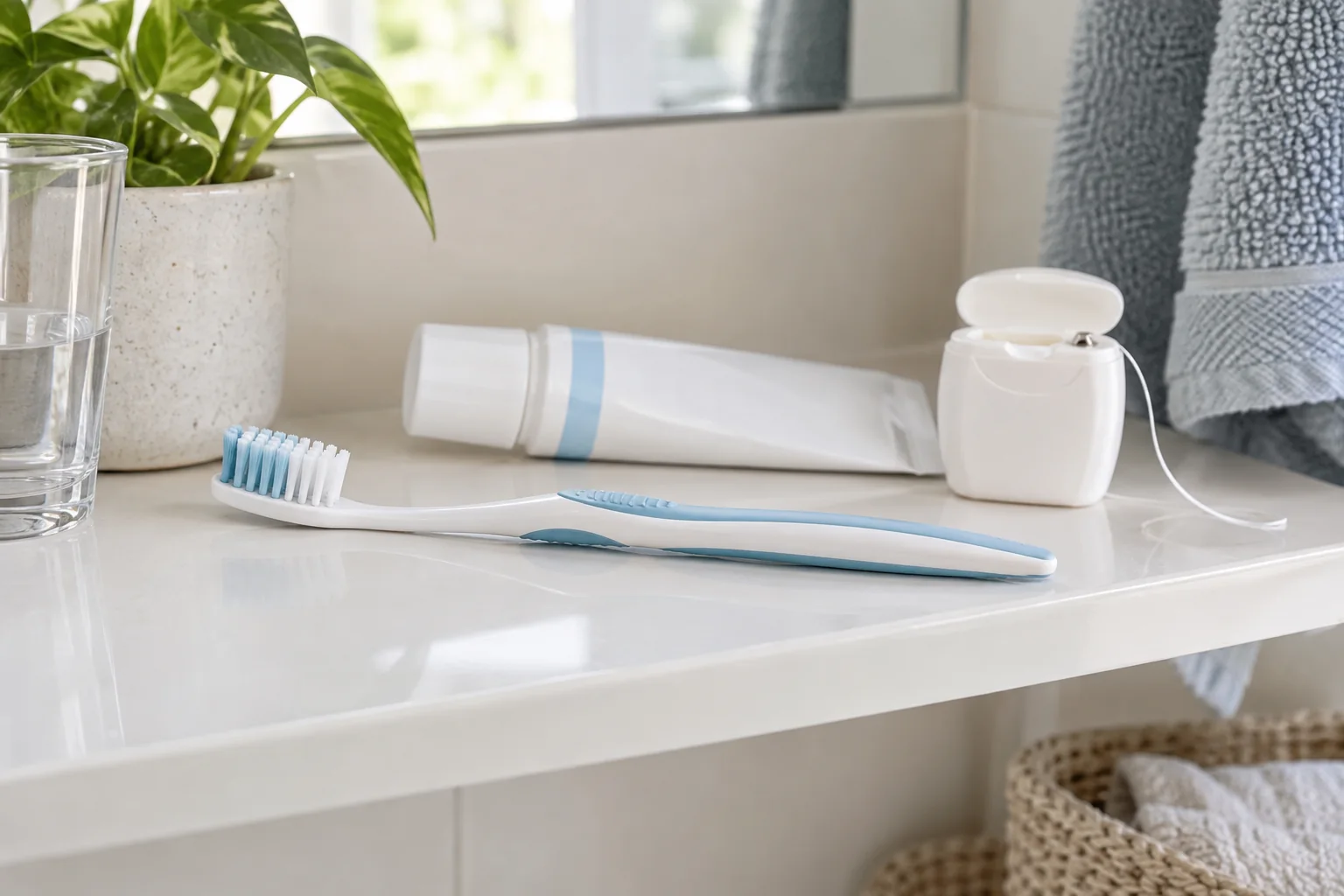
General daily care
The ADA recommends brushing twice daily with a soft-bristled brush and fluoride toothpaste, and cleaning between teeth daily. Choose a brush that fits your mouth. General brushing includes the outer, inner and chewing surfaces rather than only the area you can see easily.
If access is difficult
Ask your dentist or hygienist to demonstrate how to reach the area and which interdental tool fits your situation. Show them the tool you currently use and explain any discomfort or difficulty. A description on a website cannot confirm that you have cleaned a hidden area adequately.
Questions about products
- Which surfaces am I missing with my current brush?
- What type of interdental cleaner is appropriate here?
- Can you demonstrate the technique?
- What should I do if the area bleeds or hurts?
- What finding would change the plan for keeping the tooth?
After an extraction is different
Daily cleaning advice for an intact tooth should not be applied automatically to a fresh surgical socket. Follow the postoperative instructions from your treating clinician. Do not direct a cleaning device into the wound using this article.
Correction to earlier product claims
Unsupported claims of 99.9% plaque removal, effortless access and guaranteed prevention have been removed. This website does not rank brands or prescribe device settings. Ask for advice relevant to your own teeth and gums.
Sources